I love using stations to review for a quiz or test. I have done many stations using folders and QR codes, but I found that my students like to work with the same people and tend to get the question from the station and go back to their usual seat. This time, I decided to change it up.
I created 7 stations and printed out two copies of each station. I laminated and then taped these stations all around the room. I also created a worksheet for my students that provided room for them to show their work for each. However, the worksheet did not provide any of the questions, so students had to stay at the stations to see and answer all of the questions.


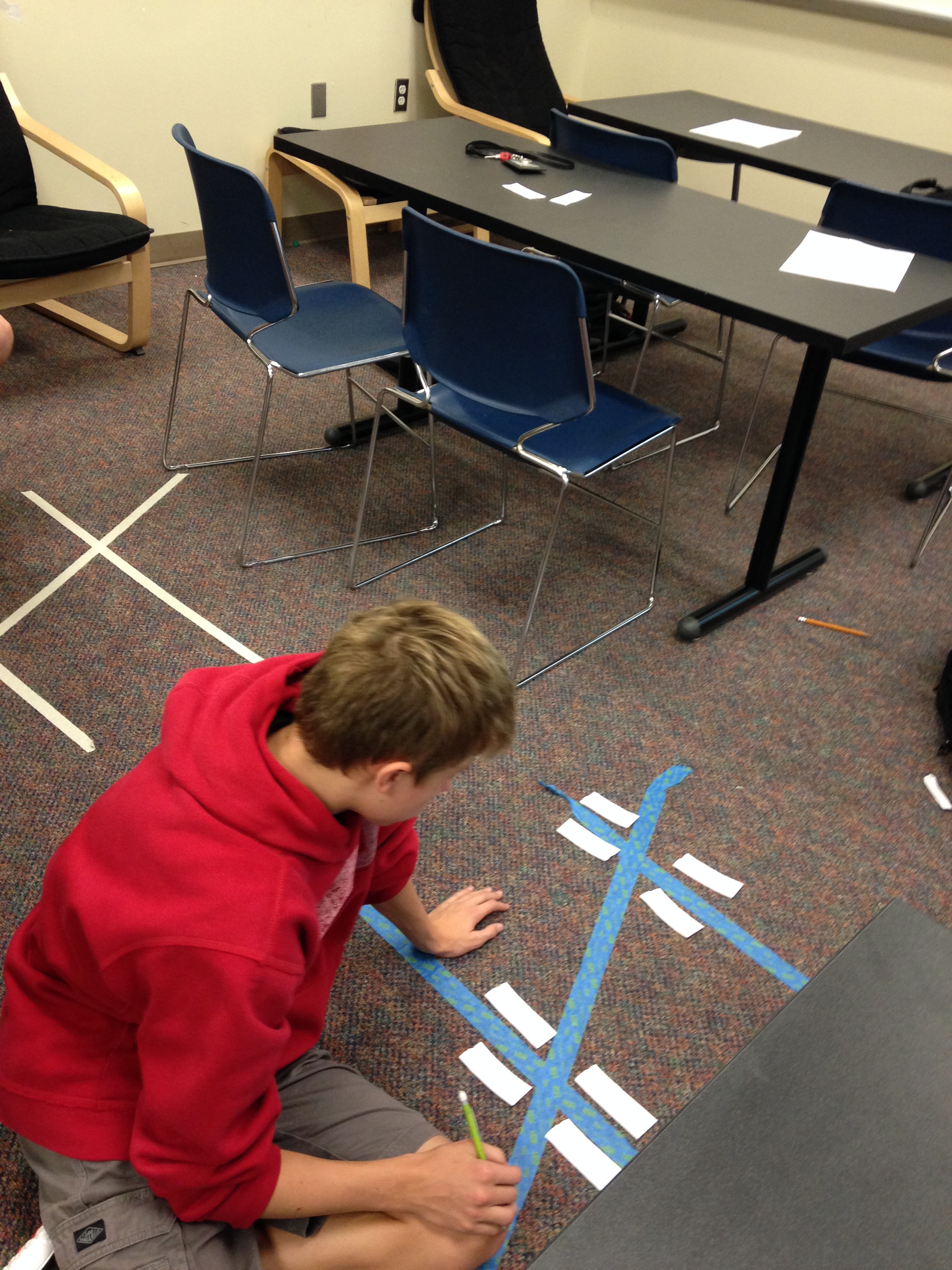
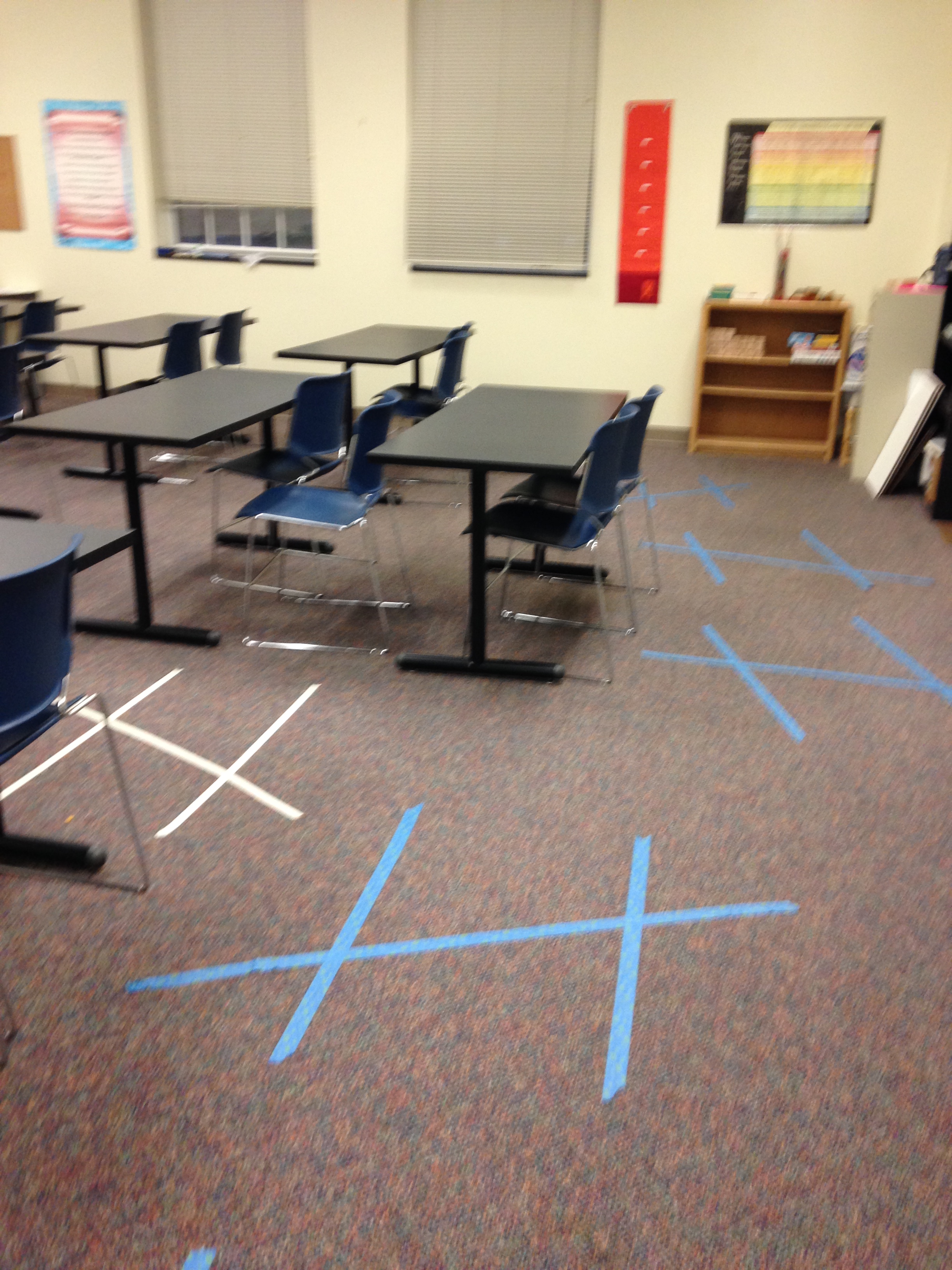
Although there were only 7 sets of problems, I doubled them to create 14 stations. The maximum number of students I have in my classes is 20, so this ensured that there would be no more than 2 students at a particular station. I really liked this because it allowed my students to work with partners, but not in large groups. Students were also moving around the entire time! Some students did take pictures of the questions and went back to their seats… ugh… but most students stayed at their station. Because I had the stations taped to the walls (and one in the middle) I could see every student working. I could also see which students were struggling. It was also entertaining watching my students search for the stations they needed!


I used these stations to review for a quiz on special quadrilaterals and interior and exterior sums of polygons. Each station dealt with a different type of question that they would be assessed on. Overall, this was a pretty fun and successful review activity.
Here is the stations worksheet and stations that I used for this activity! Here is also my answer key.
Also, for station 1, I created a polygon and attached strings to one vertex and had students create the diagonals with the strings (you cant see what it is from my stations sheet) !


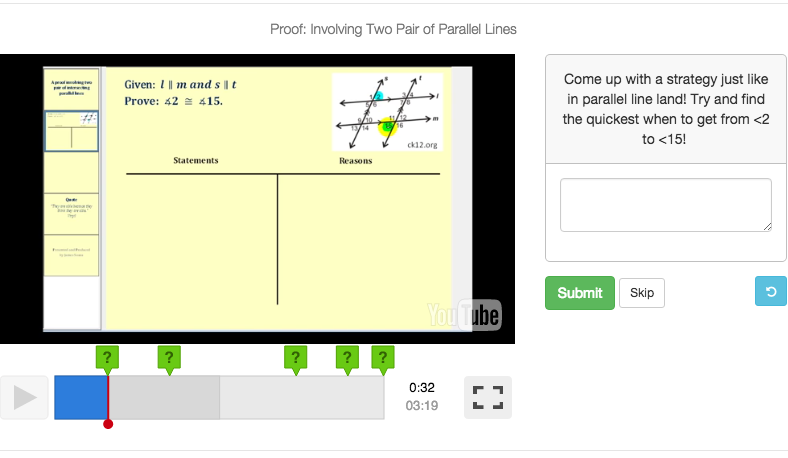

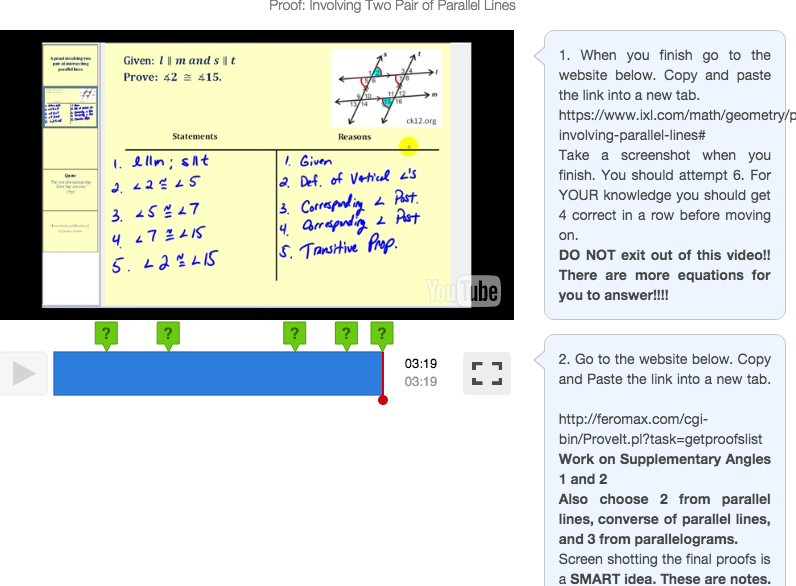




 age to my students. The language of math. I started out this unit with a lesson on inductive and deductive reason that was created by

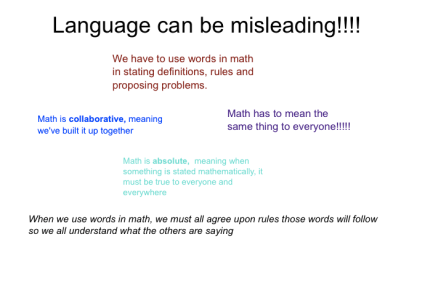 efore even introducing Conditional statements I had my students write 3 if-then rules that they live by. I then had 3 students to come to the board to write their rules. When I finally did introduce conditional statements we us
 ed my students rules to point out the hypothesis and conclusion of each statement. This was good because the students felt by looking at their own rules. I also had students come up to the board and underline and label the hypothesis and conclusion. This got my students up and moving around the room. During a class that is mostly lecture it can be hard to keep students engaged. I tried my best to keep students moving and involved in the notes.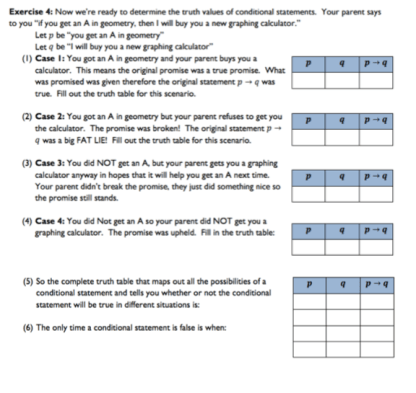







 Designated Deriver